DXB ranked most connected airport in Asia-Pacific and Middle East for 2025
 Desk Report
| Published: Tuesday, September 08, 2026
Desk Report
| Published: Tuesday, September 08, 2026
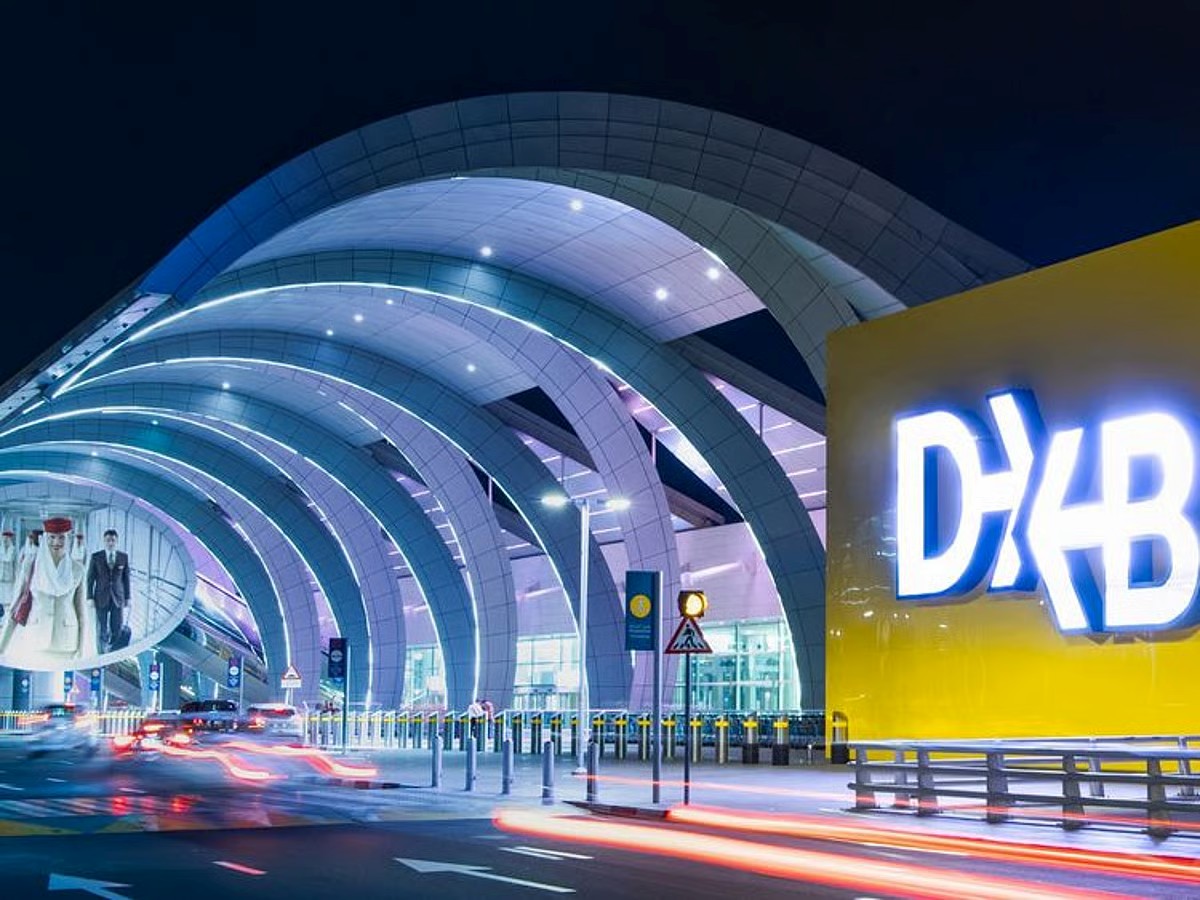
Photo: Collected
Dubai International Airport (DXB) has held onto its position as the most connected airport across the Asia-Pacific and Middle East regions in 2025, according to the latest Air Connectivity Index released by Airports Council International (ACI) Asia-Pacific & Middle East, Gulf News reported.
The index, which evaluates 315 airports across the two regions, measures connectivity based on factors including network size, flight frequency, the economic significance of destinations served, aircraft type, the mix of domestic and international services, number of stops, and airline alliance membership.
DXB also topped the separate hub connectivity ranking, with a score nearly 40 percent higher than its closest rival, the report said.
Shanghai Pudong International Airport placed second overall, followed by Incheon International Airport in South Korea, Guangzhou Baiyun International Airport in fourth, and Doha's Hamad International Airport in fifth. Singapore Changi, Beijing Capital, Bangkok Suvarnabhumi, Tokyo Haneda, and Hong Kong International rounded out the top ten. The same five airports—Dubai, Shanghai Pudong, Incheon, Hamad International, and Guangzhou Baiyun—led the hub connectivity list as well.
Overall connectivity across the region's airports rose 11 percent in 2025, a slower pace than the 14 percent growth recorded in 2024. The Middle East outperformed Asia-Pacific, posting 21 percent growth on the back of expanding networks from Gulf carriers, compared with 10 percent growth in Asia-Pacific.
ACI Asia-Pacific & Middle East Director General Stefano Baronci was cited as saying that with passenger numbers across the two regions expected to reach 11 billion over the next three decades, strengthening connectivity remains essential to giving passengers more choice and generating broader economic benefits.
The report noted that 74 percent of the 315 airports studied recorded connectivity growth in 2025, with major hubs performing especially well—between 83 and 97 percent of them posted gains as airlines continued expanding services amid steady international travel demand.
Chinese airports made notable progress during the year, with Shanghai Pudong, Guangzhou Baiyun, and Beijing Capital all breaking into the top ten alongside Hong Kong International. Shanghai Pudong posted the sharpest improvement among major airports at 32 percent, followed by Kuala Lumpur International at 30 percent and Hong Kong International at 28 percent.
Among mid-sized airports, Sharjah International, Kolkata's Netaji Subhas Chandra Bose International, and China's Sanya Phoenix International were named among the strongest improvers in the 15–25 million passenger category. Abu Dhabi International featured among the top three improvers in the 25–40 million passenger category, alongside Hanoi's Noi Bai International and Ho Chi Minh City's Tan Son Nhat International. In the 5–15 million passenger category, Medina and Muscat airports were highlighted as leaders.
International city-pair connections across the two regions grew by an average of 10 percent in 2025, moderating from 17 percent growth the previous year, while domestic city pairs returned to growth at 0.8 percent after a 1 percent decline in 2024.
Source: Gulf News

Make Comment
Login to CommentPopular News





Subscribe to News Letter
Latest News