Europe watchdog flags rising risks as conflicts squeeze routes
 Desk Report
| Published: Monday, March 30, 2026
Desk Report
| Published: Monday, March 30, 2026
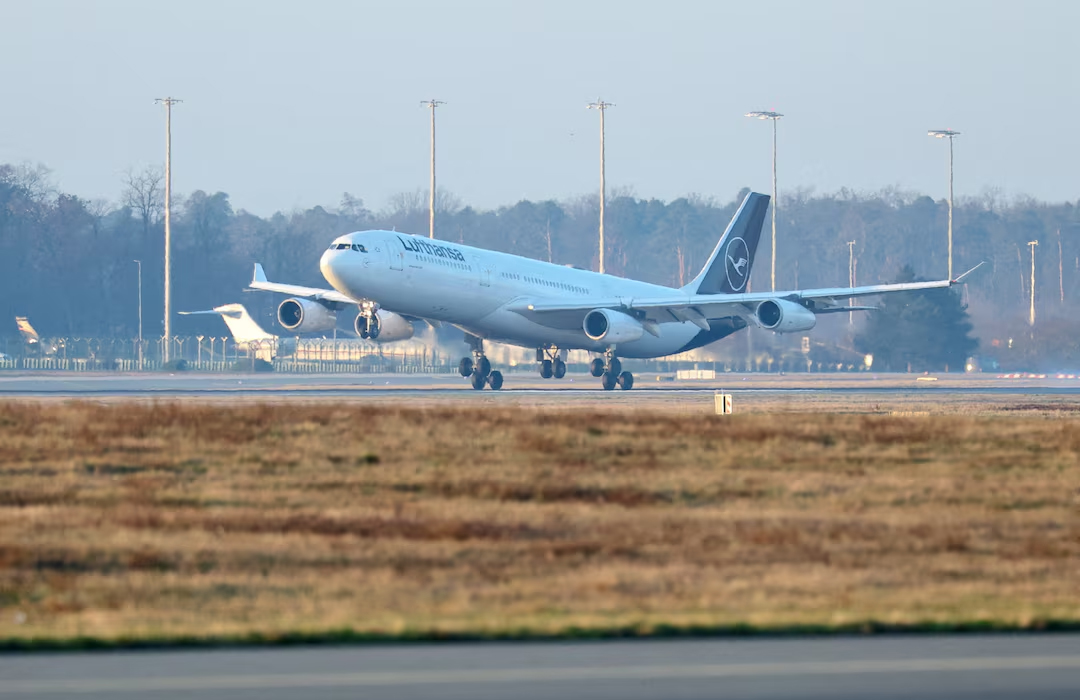
File photo
War and instability are increasingly squeezing the world's flight paths, forcing planes into tighter corridors and raising safety risks for passengers and crew. Europe's top aviation regulator has warned that the convergence of multiple conflicts is creating unprecedented pressure on the aviation system.
The month-old Iran war, combined with the prolonged Russia-Ukraine conflict and recent fighting between Pakistan and Afghanistan, has dramatically narrowed the usable airspace over key routes connecting Asia and Europe. Airlines that once transited through the Middle East are now being forced into congested lanes over Azerbaijan and central Asia.
Florian Guillermet, executive director of the European Union Aviation Safety Agency (EASA), said concentrating traffic onto fewer routes places significant strain on air traffic control and introduces operational risks.
“It is clear that concentrating traffic on certain routes, the availability of the airspace for air traffic control, the fact that traffic can use routes which are not so usual, can generate safety risks”, Mr Guillermet told Reuters.
He emphasized that pilots and controllers are trained to handle such situations, but closing airspace or restricting flights is sometimes unavoidable. "We in aviation have the means to mitigate risk. One of those means is to clear the skies," he said, noting that while such measures disrupt passengers, they remain the most effective way to maintain control.
EASA renewed its advisory on March 27, urging airlines to avoid airspace over Iran, Israel and parts of the Gulf until April 10.
Impact on Bangladeshi passengers
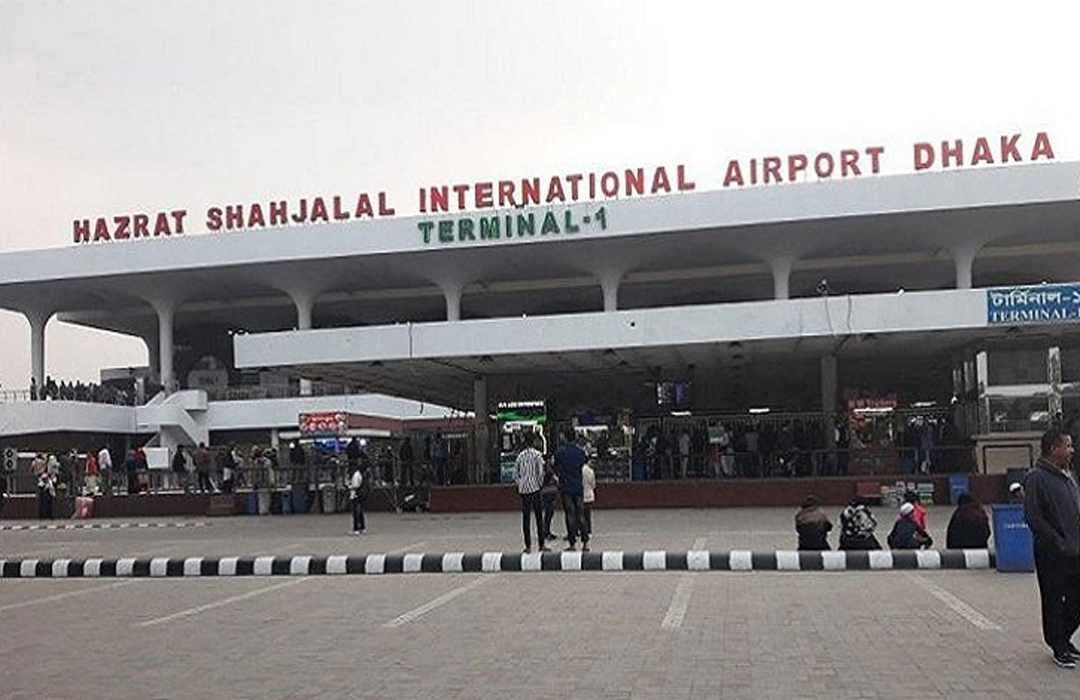
For Bangladeshi travellers and expatriates, these developments carry significant implications. The Gulf region serves as a critical transit hub for thousands of Bangladeshi passengers flying to Europe, North America and beyond. Major carriers including Emirates, Qatar Airways and Etihad have already reduced frequencies, with industry sources estimating a loss of several thousand seats weekly on routes connecting South Asia to the West.
Airfares have risen sharply as a result. A ticket from Dhaka to London or New York that previously cost TK 1 lakh 20 thousand now frequently exceeds TK 1 lakh 80 thousand, according to travel agents. Flight durations have also lengthened as carriers reroute around conflict zones.
Drone threats add new dimension
Beyond the airspace closures, EASA is also grappling with a surge in rogue drone activity targeting civilian airports across Europe. Mr Guillermet linked much of this activity to so-called hybrid warfare, a mix of military tactics and cyber interference.
Since Russia’s invasion of Ukraine in 2022, drones have become a key weapon on both sides. Airports from Stockholm to Munich have faced drone-related disruptions, with authorities suspecting but not confirming links to state actors.
EASA is now drafting clearer guidance on what powers airports can use to counter such threats. The agency is examining technical requirements for counter-drone devices and aims to establish standardised rules across its 31 member countries.
“The situation we face right now is more kind of hybrid warfare,” Mr Guillermet said. “We are facing a very different landscape today.”
Source: Reuters

Make Comment
Login to CommentPopular News



Subscribe to News Letter
Latest News