Global tourism grows just 0.4% in first half: UN Tourism
Middle East conflict, high oil prices and inflation weigh on travel; full-year forecast cut to 1-2 percent
 Desk Report
| Published: Monday, September 21, 2026
Desk Report
| Published: Monday, September 21, 2026

Photo: Collected
International tourist arrivals rose by only 0.4 percent in the first half of 2026, as the Middle East conflict, elevated oil prices, and inflation held back travel demand, UN Tourism said in its latest World Tourism Barometer, released on Sept 17.
An estimated 690 million people travelled internationally between January and June, about 3 million more than in the same period last year, the agency said.
Arrivals rose 2 percent in the first quarter but fell 1 percent in the second, following a 3 percent decline in April. UN Tourism attributed the second-quarter drop largely to the timing of Easter, which began in March, and to the impact of the conflict. Global arrivals fell 3 percent in June, driven by a 6 percent decline in Western Europe, partly due to a heatwave in some destinations.
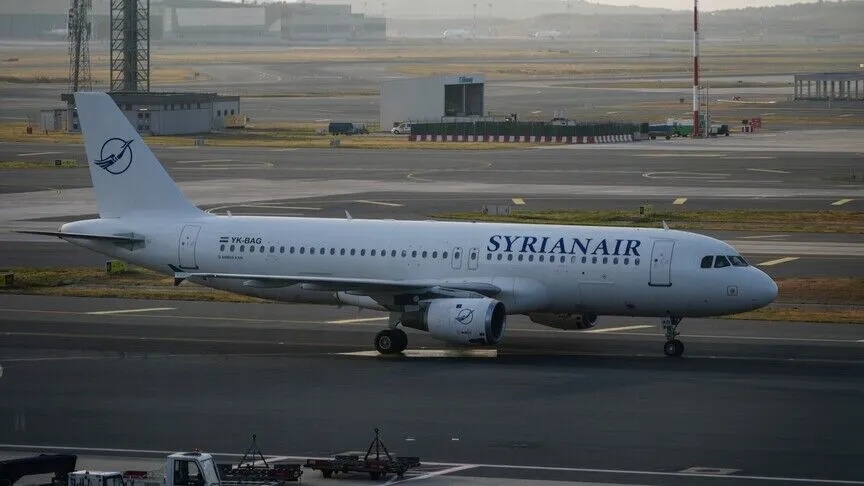
The conflict has hurt international tourism in the Middle East and other regions since early March, the agency said. Disruptions to air traffic eased gradually in May and June after a ceasefire was announced, allowing some routes to reopen and leading to an uneven rebound in consumer sentiment.
By region, Africa (up 4 percent) and Europe (up 3 percent) recorded solid growth in the first half, while arrivals in the Americas rose 2 percent, with mixed results across sub-regions. The Middle East, directly affected by the conflict, saw arrivals fall 22 percent.
Asia and the Pacific grew 1 percent but remained 11 percent below 2019 levels, as disrupted air connectivity, higher air fares, and uncertainty hurt travel within the region, UN Tourism said. North-East Asia grew 3 percent, while South Asia (down 5 percent) and South-East Asia (down 1 percent) recorded declines compared with the first half of 2025.
In June, South-East Asia saw arrivals drop 5 percent on weaker demand from Asian markets, geopolitical tensions, air travel disruptions through the Middle East and higher travel costs. Some Oceania destinations, affected by Typhoon Sinlaku in the second quarter, saw arrivals fall 6 percent in June.
UN Tourism Secretary-General Shaikha Al Nuwais said the data showed a sector absorbing real pressure while finding a way forward. "Tourism has not stopped growing, but that growth is fragile," she said. She added that the Middle East situation had affected destinations far beyond the region, a reminder that resilience needs to be built everywhere and not only when a crisis begins.
The agency now expects international arrivals to grow 1-2 percent globally in 2026, down from its January forecast of 3-4 percent. It said the outcome will depend on how long the conflict lasts and its effect on oil prices and overall inflation.
UN Tourism also expects travellers to keep seeking value for money and to travel closer to home or domestically in response to high prices and uncertainty.
Source: UN Tourism

Make Comment
Login to CommentPopular News





Subscribe to News Letter
Latest News