BUDGET REACTIONS
Hub ambitions take off, stakeholders seek reality check
Industry welcomes aviation focus but questions funding adequacy, implementation capacity and tourism's marginal share
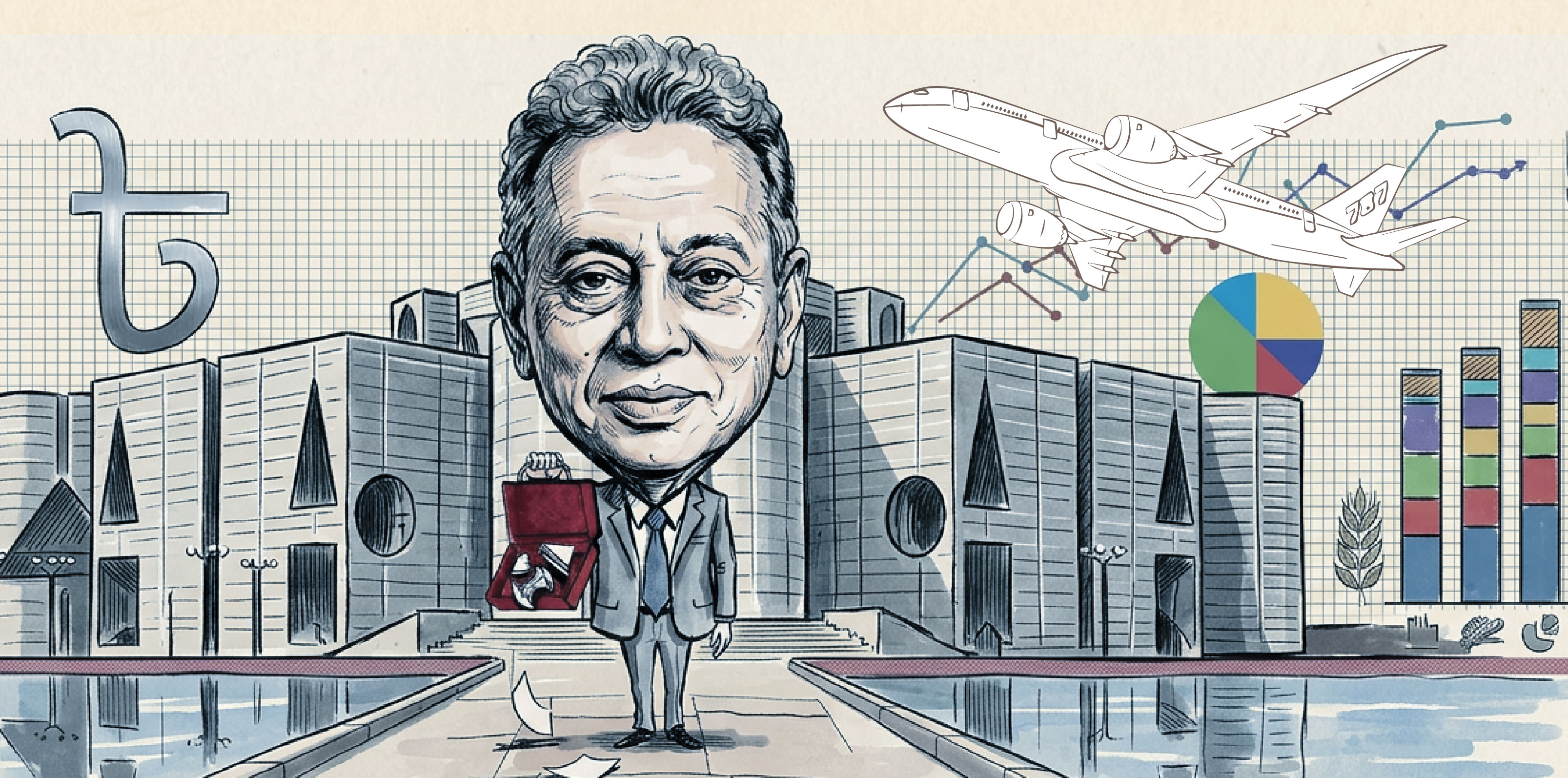
The BNP government's first national budget has placed aviation and tourism at the centre of its economic growth strategy, proposing Tk 1,884 crore for the Ministry of Civil Aviation and Tourism and unveiling an ambitious roadmap to transform Bangladesh into a regional aviation hub.
The budget outlines plans to operationalise the Third Terminal of Hazrat Shahjalal International Airport (HSIA), expand facilities at Jashore and Saidpur airports, enhance runway capacity at Sylhet and Chattogram airports and complete development works at Cox's Bazar Airport. It also proposes establishing a national air connectivity grid and developing Dhaka, Chattogram and Sylhet as integrated passenger and logistics hubs.
While stakeholders have welcomed the government's recognition of aviation and tourism as strategic sectors, many have questioned whether the proposed allocation, implementation framework and sectoral priorities are sufficient to deliver the ambitious goals outlined in the budget.
Aviation gets long-awaited attention
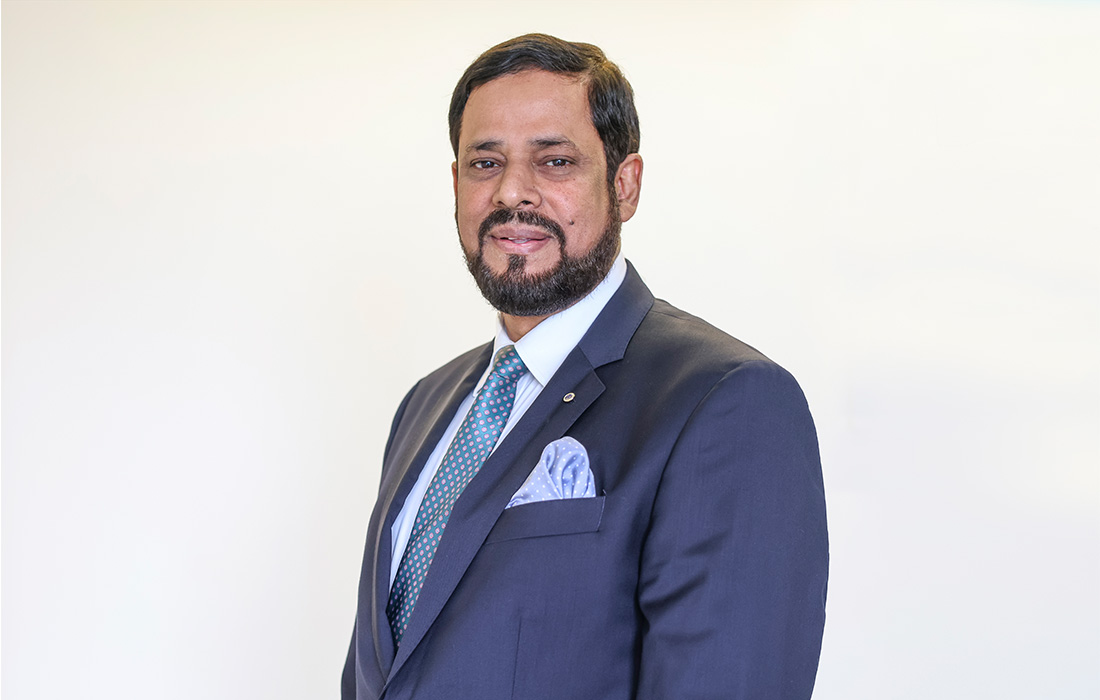
Former CAAB Chairman Air Vice Marshal (retd.) Muhammad Mafidur Rahman described the dedicated focus on aviation as one of the budget's most encouraging features.
"As someone who has worked in aviation for many years, I am pleased. For the first time, aviation has received separate prominence in the national budget," he said.
However, he warned that several proposals appear premature and may not have gone through the necessary preparatory processes.
The budget proposes transforming Rajshahi, Cox's Bazar, Jashore and Saidpur into international gateways. According to Mafidur Rahman, such projects require detailed feasibility studies, land acquisition and extensive infrastructure expansion before implementation can begin.
"Most of these airports do not currently have the physical capacity required for international-standard operations. Land acquisition alone would require substantial resources," he said.
He argued that the government's immediate priority should be making HSIA's Third Terminal fully operational and accelerating ongoing projects at Sylhet and Chattogram airports before launching additional international gateway projects.
"Had the budget allocated funds for feasibility studies first, that would have been more realistic. Declaring multiple airports as future international gateways without completing those assessments raises questions about implementation," he added.
Private airlines seek policy support
Private airline operators welcomed the government's focus on aviation but expressed concern that the budget provides little support for private carriers that dominate domestic aviation.
Mofizur Rahman, Managing Director of Novoair and Secretary General of the Airline Operators Association of Bangladesh (AOAB), said the private sector's challenges were largely absent from the budget discussion.
"If we look at domestic aviation, around 80 percent is driven by the private sector. Yet there is no clear reflection of the problems facing private airlines," he said.
He also questioned the practicality of some airport development plans. "Cox's Bazar has viability, but there are airports that struggle to sustain domestic operations. How they will become international gateways remains a legitimate question," he added.
Infrastructure alone will not create a hub
Aviation analyst ATM Nazrul Islam believes the budget places too much emphasis on physical infrastructure while overlooking the broader aviation ecosystem required for sustainable growth.
"Bangladesh controls less than 20 percent of its international passenger market and only around 10 percent of its cargo market. Unless those realities change, aviation's contribution to GDP will remain limited," he said.
Nazrul noted that successful aviation hubs such as Dubai, Doha and Singapore were built not only through airports but through integrated ecosystems involving airlines, cargo facilities, maintenance centres and supportive regulatory policies.
"We still do not have a world-class Maintenance, Repair and Overhaul (MRO) facility after more than five decades. Airports alone do not create aviation economics," he said.
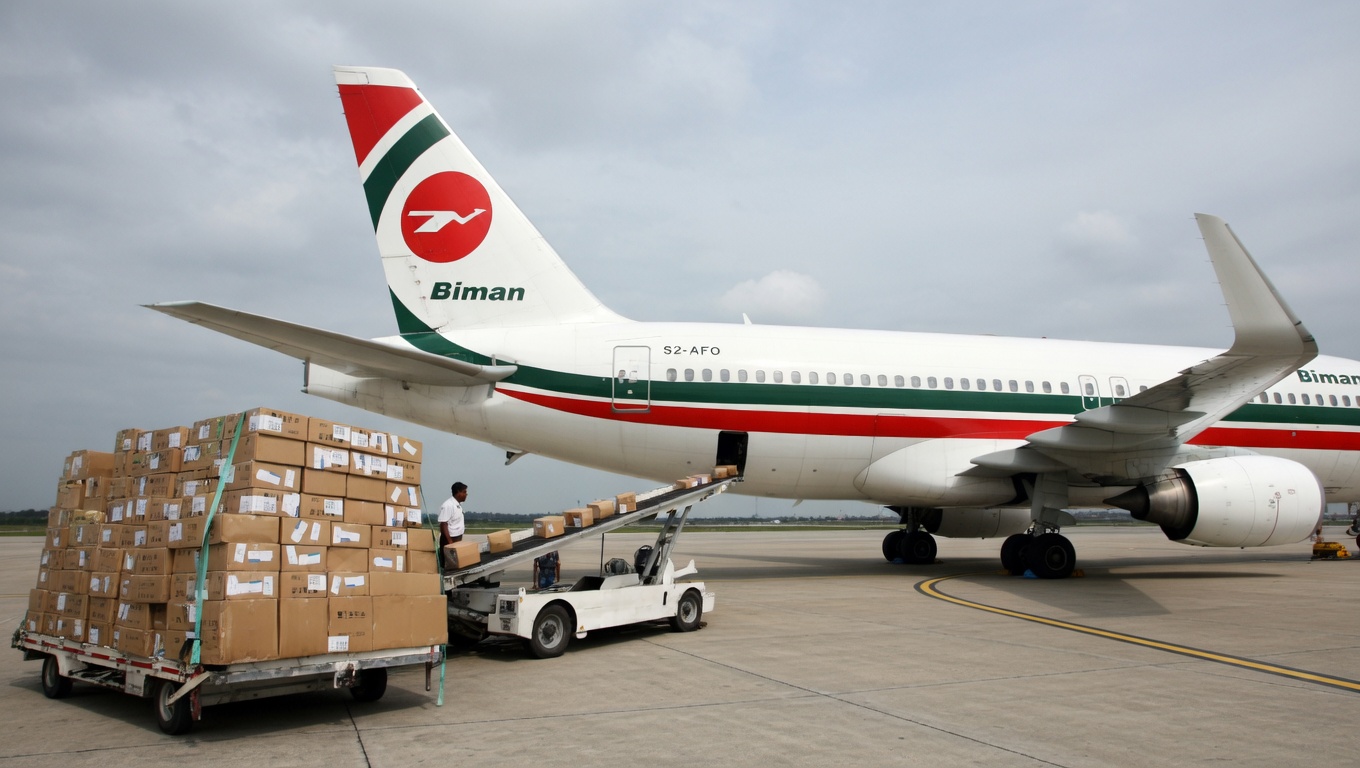
He argued that the planned acquisition of 14 new aircraft for Biman, while important, would not by itself transform Bangladesh into an aviation hub.
Tourism allocation draws criticism
Tourism stakeholders expressed concern that the sector may once again receive only a small portion of the overall allocation.
Dr Md Taslim Amin (Shovon), former Director of Trade and Fair Affairs of the Tour Operators Association of Bangladesh (TOAB), said the allocation falls short of industry expectations.
"This is one of the country's most promising sectors. Yet the allocation does not reflect the priority being claimed," he said.
According to him, more than 90 percent of the allocation is likely to be spent on aviation infrastructure, leaving limited resources for tourism promotion, destination development and international marketing.
He also questioned the government's target of raising tourism's contribution to GDP to 6-7 percent. "You cannot invest five taka and expect twenty taka in return. Without adequate investment and planning, such targets will remain aspirations," he said.
Tourism sees positive signals
Despite concerns over funding, tourism leaders welcomed several policy commitments contained in the budget.
PATA Bangladesh Chapter Secretary General Taufiq Rahman said the government had given greater attention to tourism than in previous years.
"These are positive signals. The government appears to recognise the importance of inbound tourism and foreign visitor arrivals," he said.
According to him, the successful implementation of the tourism master plan could provide a long-term roadmap for the sector's development.
Ambition meets reality
Industry stakeholders broadly agree that the budget marks a significant shift in recognising aviation and tourism as strategic economic sectors.
For aviation, success will depend on operationalising the Third Terminal, increasing Bangladesh's share of international passenger and cargo traffic, developing MRO facilities and strengthening airline competitiveness.
For tourism, it will require sustained investment in destination development, marketing, infrastructure and visitor experiences.

Make Comment
Login to CommentPopular News





Subscribe to News Letter
Latest News