Turkish Airlines makes $197m profit as Middle East war hits costs
Revenue surged 20.5%, but higher fuel costs weighed as airline targets stronger Q3 margins
 Desk Report
| Published: Tuesday, August 11, 2026
Desk Report
| Published: Tuesday, August 11, 2026
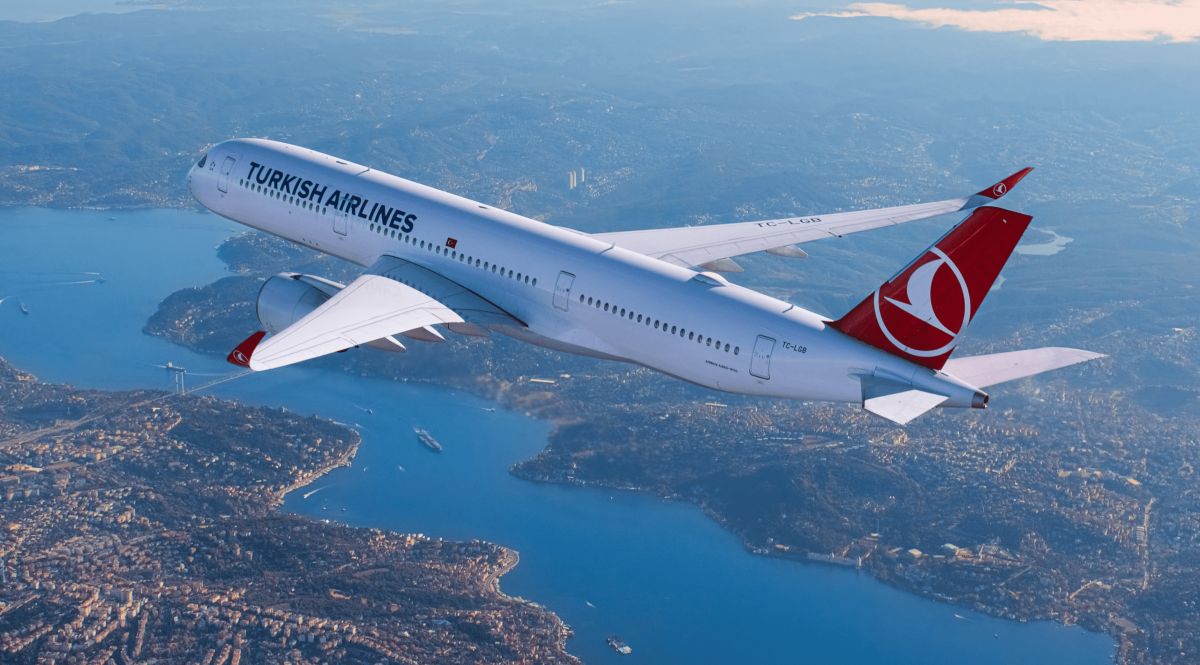
Photo: Collected
Turkish Airlines remained profitable in the second quarter despite the impact of the Middle East war and sharply higher jet fuel prices, but the conflict continued to weigh on the carrier’s costs.
The airline reported a net profit of $197 million for the three months to June, while its EBITDAR margin came in at 12.6 percent—above its 8 percent guidance, though fuel costs remain a key pressure on performance.
Revenue rose 20.5 per cent year-on-year to $7.2 billion, driven by strong passenger demand and a surge in cargo income.
However, Turkish Airlines said the impact of the Middle East war was “reflected noticeably” in its second-quarter financial results because of the delayed effect of higher jet fuel prices on costs.
The airline expects that pressure to continue into the third quarter, although it is forecasting a significantly stronger EBITDAR margin of 20 per cent to 25 per cent.
Turkish Airlines Chairman of the Board and the Executive Committee, Prof. Murat Şeker, said: “Despite the uncertainty caused by geopolitical developments in the Middle East and the sharp increase in fuel prices, we have successfully managed this challenging period, as we have in previous crises.”
“This was made possible by our extensive flight network, diversified business model, and agile operational capabilities,” he said.
Şeker said the airline had also continued to implement efficiency initiatives across its operations while maintaining disciplined cost management.
Cargo boom cushions fuel pressure
One of the biggest gains came from Turkish Cargo, which benefited from pressure on global air freight capacity caused by geopolitical developments in the Middle East.
Cargo revenues jumped 58 per cent year-on-year to nearly $1.3 billion, while cargo volumes rose 11.3 per cent.
Turkish Airlines said its geographical position and cargo infrastructure allowed Turkish Cargo to respond to the stronger demand.
Passenger demand also remained resilient.
The passenger load factor—the proportion of available seats filled—rose 1.8 percentage points to 84 percent, the highest second-quarter level in the airline’s history.
Demand was particularly strong from Asia, Europe, and Africa.
Bigger fleet, bigger cost exposure
Despite the uncertainty, Turkish Airlines continued to expand.
Its fleet grew 14 percent year-on-year to 552 aircraft by the end of June, even as the airline faced bottlenecks in aircraft production.
The passenger load factor—the proportion of available seats filled—rose 1.8 percentage points to 84 percent, the highest second-quarter level in the airline’s history.
Demand was particularly strong from Asia, Europe, and Africa.
Bigger fleet, bigger cost exposure
Despite the uncertainty, Turkish Airlines continued to expand.
Its fleet grew 14 per cent year-on-year to 552 aircraft by the end of June, even as the airline faced bottlenecks in aircraft production.
It expects an EBITDAR margin of 20 per cent to 25 per cent in the third quarter, compared with 12.6 per cent in the second quarter.
Source: Gulf News

Make Comment
Login to CommentPopular News



Subscribe to News Letter
Latest News