CGSI cuts Singapore Airlines’s earnings projections for FY2027 by nearly 40% as fuel prices surge
Research house also trims its forecast for group’s FY2026 core net profit by 4%
 Desk Report
| Published: Sunday, April 05, 2026
Desk Report
| Published: Sunday, April 05, 2026
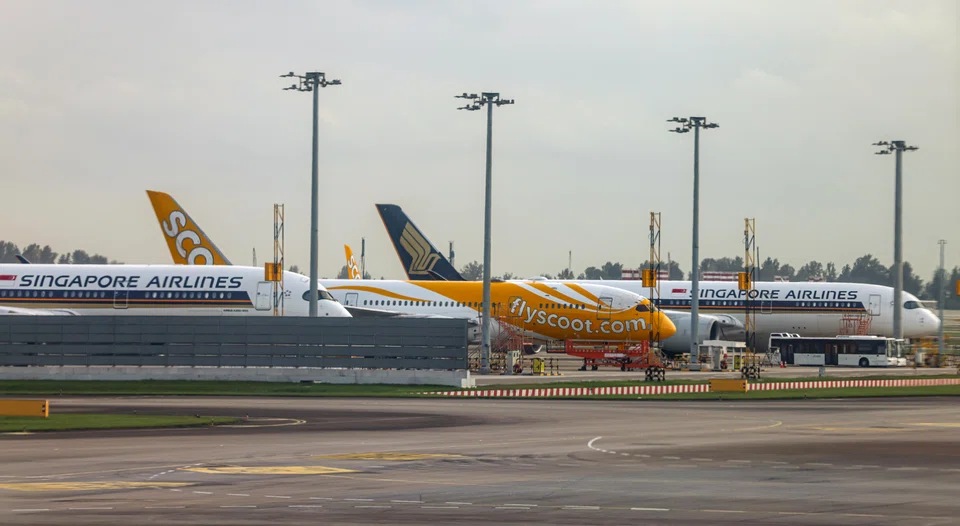
Photo: Collected
Research house CGS International (CGSI) has lowered its expectations for Singapore Airlines’ (SIA: C6L -0.15%) earnings for its 2026 and 2027 financial years amid a surge in fuel prices.
In a Thursday (Apr 2) report, analyst Raymond Yap said the forecast for the group’s FY2026 core net profit was trimmed by 4 per cent to S$1.1 billion, while the FY2027 projection is now S$799 million after a 37 per cent drop.
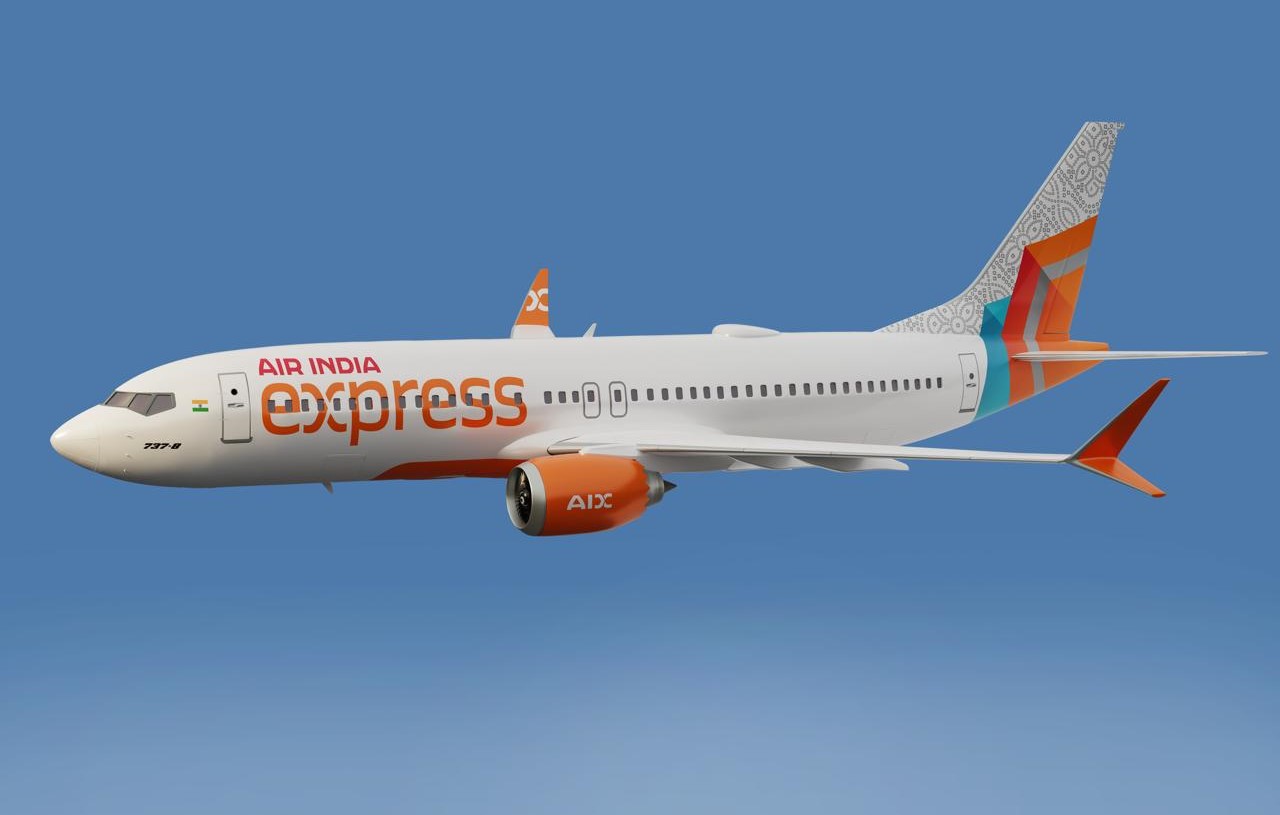
He also hiked the group’s share of its associate Air India’s expected loss by 5 per cent for FY2026, 20 per cent for FY2027, and 10 per cent for FY2028. SIA owns a 25.1 per cent stake in Air India.
CGSI has cut its target price for SIA by about 10 per cent to S$6.77 a share from S$7.44, with an unchanged “hold” recommendation.
Yap noted that the impact of higher jet fuel prices on SIA for FY2026 ended March 31 should have been borne “only in the last two weeks of March," as the group has “robust” fuel hedges and jet fuel is normally purchased on a lagging basis.
Jet fuel costs rose about 140 percent month over month to US$223 per barrel as of March 27, a month after the US and Israel commenced attacks on Iran and plunged the oil-producing region into a war.
SIA might hike fares on European routes amid demand diverted from affected Middle Eastern carriers, but it might have difficulty passing on the higher fuel prices to short-haul flights and budget arm Scoot’s routes.
“Historically, airlines have struggled to pass on higher jet fuel costs, especially when jet fuel prices spike suddenly,” Yap noted.
He expects that SIA will be able to offset only 75 per cent of the increase in jet fuel prices from higher yields for FY2027.
“While our analysis is not conclusive due to the absence of disclosures from SIA and... the complexity of analysing so many moving parts, our preliminary view is that SIA will not likely be able to fully offset the sharp increase in jet fuel prices in FY2027.”
SIA’s cargo profitability could be under pressure in the coming quarters as well, he added.
Meanwhile, Air India may face the full impact of the rise in jet fuel prices, assuming it has no fuel hedges. Yap pointed out that the Indian rupee has depreciated against the US dollar, and the airline has had to reroute to avoid the war zone, therefore necessitating more fuel consumption.
SIA’s earnings for the second quarter of FY2026 were severely hit by its share of losses from Air India, though it did not specify a specific amount.
SIA said in a statement to The Business Times that both its full-service airline and budget carrier have increased airfares across the board in response to the steep rise in jet-fuel prices.
“These adjustments partially defray the higher fuel costs and do not fully cover the increase in our costs,” a spokesperson said.
She added that jet fuel costs accounted for around 30 percent of the group’s expenditure in the nine months ended December 2025, representing its single largest cost item.
“(When) a major cost component such as jet fuel rises sharply due to external factors beyond our control, we may need to adjust airfares to offset higher operating costs.”
Shares of SIA dropped 0.2 percent, or S$0.01, to close at S$6.65 on Thursday. The counter has declined 7.4 percent since the Middle East conflict erupted on Feb 28.
Source: Business Times

Make Comment
Login to CommentPopular News



Subscribe to News Letter
Latest News